
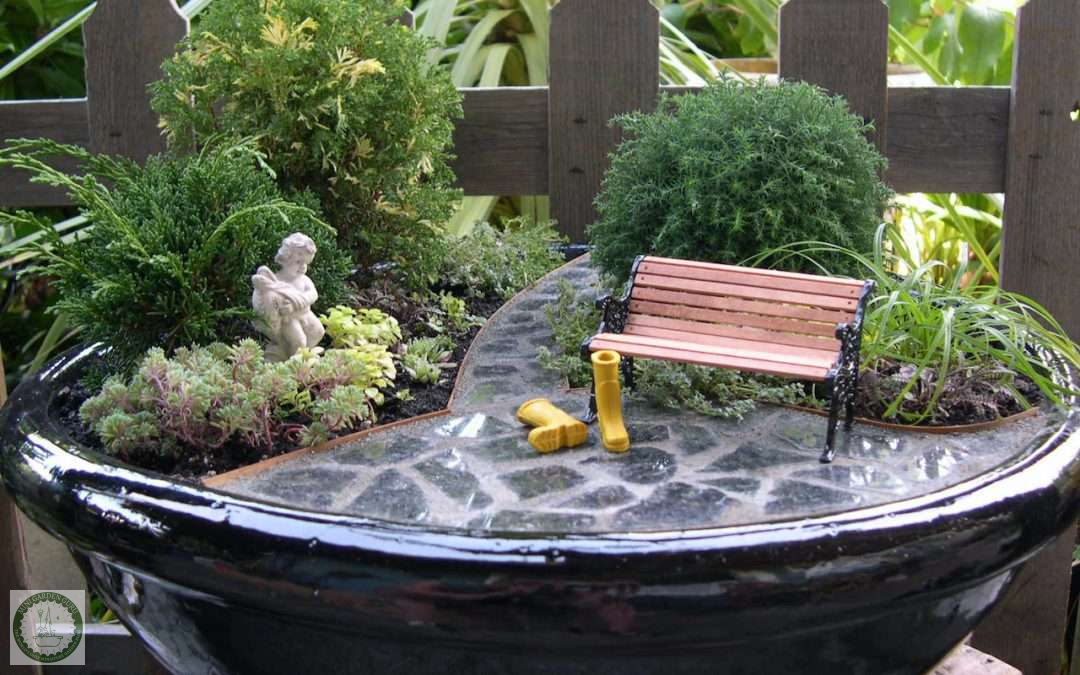
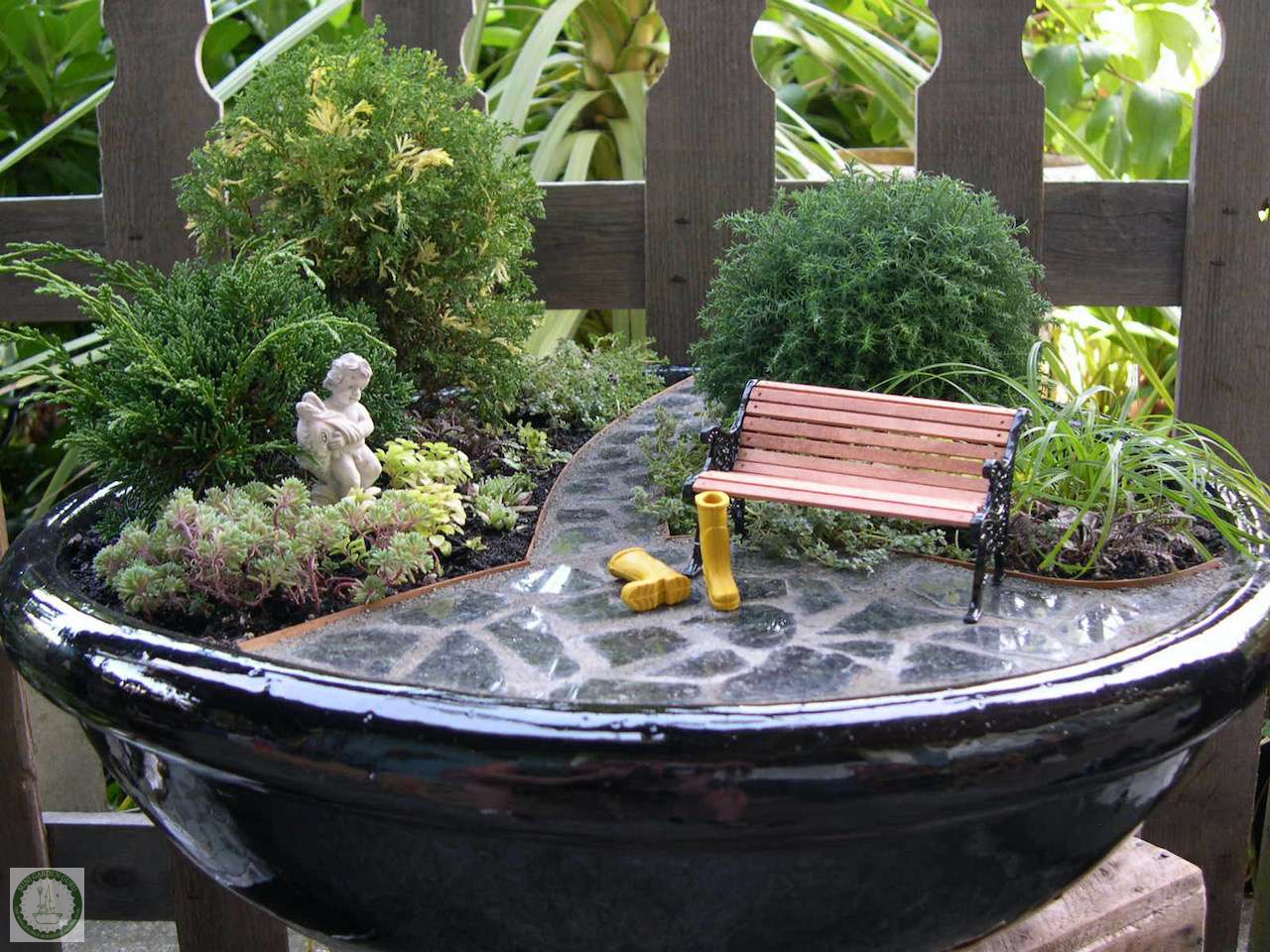

I wrote this trusty blog post more than several years ago and have been sharing it every spring, 9 Easy Steps on the Miniature Garden To-Do List for Spring, but here are a few more tips that might be useful for the full-size gardener as well as the miniature gardener.
Just a couple of gentle reminders about your spring gardening:
- Don’t be so quick to clean up your full-sized garden beds. The natural garden debris, old leaves and random mulch is where the beneficial bugs lay their eggs and shelter from the cold spring nights – waiting for the warmer weather. “Bee” sure to include some bee-friendly plants, aka flowering plants, in your gardens too. ?
- You can’t plant seeds in August and harvest in the fall. Planning ahead by getting things sorted and planted now – in early spring – will not only free up your time when the “real” warm weather comes later this season, that plant will be able to get established before the summer heat. It just makes a happier plant and, thus, a happier gardener. ???

- Most of our miniature garden trees need minimal pruning. These four basic bonsai pruning tips is usually all I need to do, to make a little tree look fab. You can safely prune:
- any dead branches
- any branch that is hanging down (unless it’s a weeping plant!)
- any branch that is crossing-over other branches in the middle of the shrub or tree
- any wayward branches sticking out from the canopy. Trim them back to keep the overall shape intact. ??
- **PRO-PRUNING-TIP** To turn your shrub into a miniature tree: Look under the foliage/canopy to see if there is a trunk or two. If so, very gradually trim-off the bottom-most branches – very. gradually. If you can’t see one or two main trunks under that wee canopy, leave it as a shrub – it won’t work as a tree because it has no trunk, right? ?
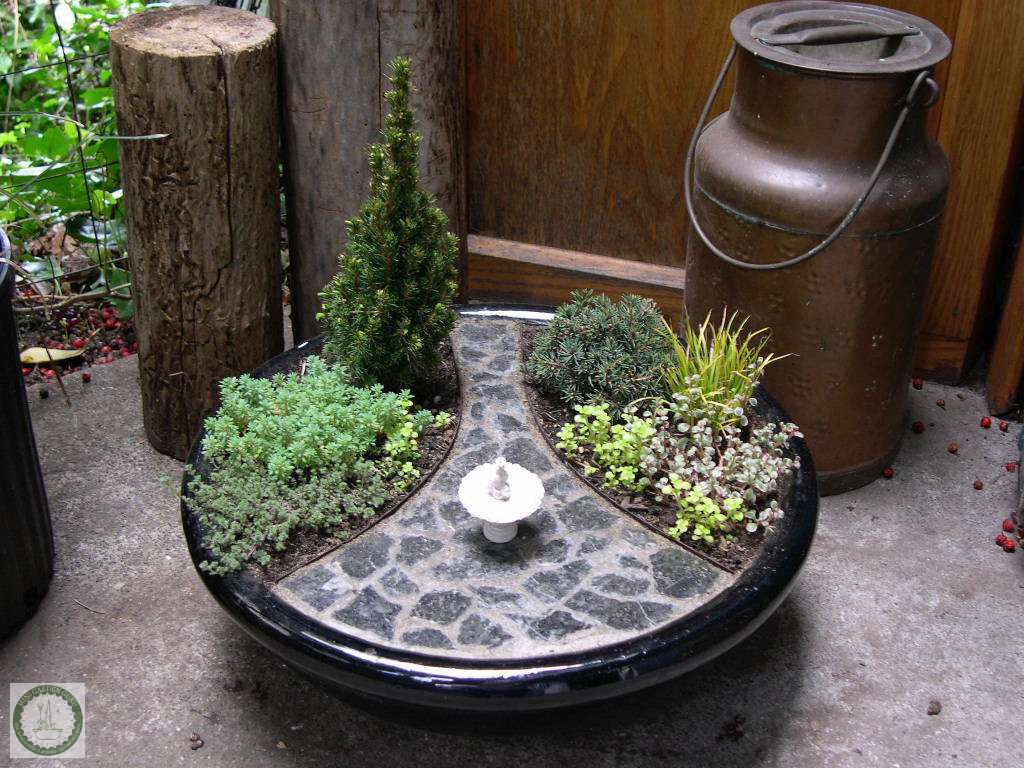
- Check for conifer dieback – part the branches of your small conifers and have a little look inside. All trees exfoliate and some of our baby conifers hold this dieback inside their little branches which prevents light and air from getting through the branches, which can suffocate the tree to death. Get a pair of garden gloves, gently part the branches and slough-off this dead foliage to the ground where you can easily clean it up. ?
Want to Go Deeper?
- Join the Miniature Garden Society — our members-only community with advanced tutorials, troubleshooting guides, sourcing tips, and so much more. [Join us here.]
- Get the Mini Garden Gazette — our free weekly newsletter, truly one of a kind. [Subscribe here — OR just scroll down to sign up!]
- Grab the book: Gardening in Miniature — the essential guide to this hobby, published by Timber Press.